







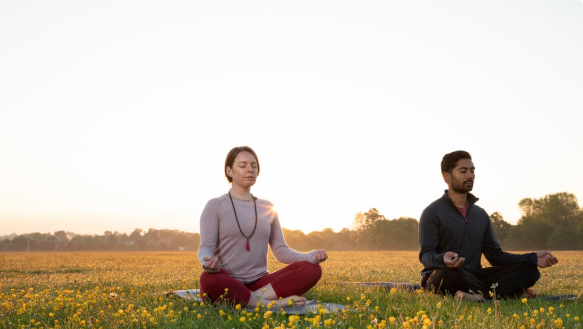
A mental health retreat is a dedicated space where individuals can step away from everyday stress, responsibilities, and emotional challenges to focus on their psychological and emotional well-being. These retreats provide a peaceful environment for relaxation, self-reflection, mindfulness, and personal growth. Depending on the program, participants may receive support from qualified mental health professionals, take part in meditation and yoga, or engage in therapeutic activities. Whether someone is experiencing burnout, anxiety, emotional exhaustion, or simply wants to improve their mental wellness, a retreat can offer a valuable opportunity to recharge. Understanding the different types, benefits, and available approaches can help individuals make an informed decision about whether a mental health retreat is right for them.
What Is a Mental Health Retreat?
A mental health retreat is a structured or semi-structured wellness experience designed to help people focus on their mental and emotional health. It usually takes place in a peaceful setting away from the distractions of daily life, such as a countryside location, nature resort, wellness center, or specialized treatment facility.
Mental health retreats can vary significantly in their approach. Some focus primarily on relaxation and mindfulness, while others provide professional psychological support and evidence-based therapeutic care.
Common elements of a mental health retreat include:
- Guided meditation and mindfulness sessions
- Yoga, stretching, and gentle physical activity
- Individual or group therapy
- Stress management workshops
- Journaling and self-reflection
- Nature walks and outdoor activities
- Healthy meals and sleep routines
- Emotional wellness education
It is important to understand that not every wellness retreat is a clinical mental health treatment program. People seeking support for a diagnosed mental health condition should consider retreats that provide qualified professionals and appropriate clinical care.
Why Do People Attend Mental Health Retreats?
People attend mental health retreats for different reasons. Some may feel overwhelmed by work or personal responsibilities, while others may want to develop healthier coping strategies or improve their emotional resilience.
Common reasons include:
| Reason | How a Retreat May Help |
| Stress and burnout | Provides time away from demanding routines |
| Anxiety | Introduces relaxation and coping techniques |
| Emotional exhaustion | Creates opportunities for rest and reflection |
| Low mood | Encourages supportive activities and healthy routines |
| Personal growth | Helps participants explore values and goals |
| Mindfulness development | Builds awareness of thoughts and emotions |
| Lifestyle improvement | Encourages better sleep, exercise, and self-care |
| Relationship challenges | May provide space to reflect on communication and boundaries |
A retreat is not necessarily about escaping problems. It can be an opportunity to understand them more clearly and develop practical ways to manage them.
Benefits of a Mental Health Retreat
Reduced Stress and Emotional Overload
A retreat can provide a break from constant demands, digital distractions, and busy schedules. Participants may have more time to rest, breathe, and engage in calming activities.
Mindfulness, relaxation exercises, and structured breaks can help individuals recognize stress triggers and practice healthier responses.
Improved Self-Awareness
Daily routines can make it difficult to reflect on emotions, habits, and personal needs. Retreat activities such as journaling, meditation, and guided reflection may help participants better understand their thoughts and feelings.
This increased awareness can support more thoughtful decisions and healthier boundaries.
Better Emotional Regulation
Emotional regulation involves understanding and managing emotional responses. Mental health retreats may introduce techniques such as:
- Deep breathing
- Grounding exercises
- Mindfulness
- Cognitive reframing
- Relaxation practices
These techniques can be useful in everyday life, especially during stressful situations.
Support for Burnout Recovery
Burnout can develop when prolonged stress affects a person’s energy, motivation, and sense of well-being. A retreat may offer temporary relief from demanding routines and help participants explore sustainable lifestyle changes.
However, burnout may require longer-term adjustments to work conditions, responsibilities, or professional support. A retreat alone may not resolve the underlying causes.
Encouragement of Healthy Habits
Many retreats promote regular sleep, nutritious meals, physical activity, and time outdoors. These habits can contribute to overall well-being and may support mental health alongside other forms of care.
Connection With Others
Group retreats can create opportunities to meet people with similar experiences. Supportive conversations may reduce feelings of isolation and help participants feel understood.
Group interaction should always be respectful, voluntary, and guided appropriately when sensitive issues are discussed.
Types of Mental Health Retreats
Mental health retreats are not all designed for the same purpose. Understanding the available options can help individuals choose a program that matches their needs.
Mindfulness and Meditation Retreats
Mindfulness retreats focus on developing awareness of the present moment. Participants may practice guided meditation, breathing exercises, mindful walking, or periods of silence.
These retreats may appeal to people interested in managing everyday stress, improving concentration, and building emotional awareness.
Research has found potential benefits from meditation retreats, including improvements in stress, anxiety, depressive symptoms, and quality of life. However, outcomes vary, and meditation is not suitable or beneficial for everyone.
Stress and Burnout Retreats
Stress and burnout retreats are designed for people who feel mentally exhausted by work, caregiving, academic pressure, or ongoing responsibilities.
Programs may include:
- Relaxation exercises
- Time management workshops
- Guided reflection
- Gentle exercise
- Sleep improvement strategies
- Digital detox activities
The goal is to help participants recover from excessive stress and explore healthier routines. A retreat can provide temporary relief, but long-term recovery may also require changes in workload, environment, and expectations.
Therapeutic Mental Health Retreats
Therapeutic retreats provide a more structured form of support. They may include sessions with licensed psychologists, psychiatrists, counselors, or other qualified professionals.
Depending on the program, activities may involve individual therapy, group therapy, psychological assessments, and treatment planning.
These programs may be considered by people experiencing persistent emotional difficulties. Before enrolling, participants should verify the qualifications of staff, the treatment approach, and whether the facility can safely manage their needs.
Nature-Based Mental Health Retreats
Nature-based retreats incorporate outdoor environments into wellness activities. Participants may spend time in forests, gardens, mountains, or other peaceful settings.
Activities can include nature walks, gardening, outdoor meditation, and mindful observation.
Spending time outdoors may encourage relaxation and physical activity. However, a nature-based retreat should not be considered a substitute for professional care when someone is experiencing a serious mental health condition.
Yoga and Holistic Wellness Retreats
Yoga retreats combine physical movement, breathing exercises, meditation, and relaxation. Some also include workshops on healthy eating, sleep, and self-care.
These programs can support general wellness and may be useful for individuals who prefer a body-and-mind approach. People with injuries or medical conditions should ask whether activities can be adapted to their needs.
What Happens During a Mental Health Retreat?
The schedule depends on the retreat’s focus, duration, and level of professional care. Some retreats last a weekend, while others run for a week or longer.
A typical wellness retreat day may look like this:
| Time | Activity | Purpose |
| 7:00 AM | Gentle yoga or stretching | Encourage physical relaxation |
| 8:00 AM | Breakfast | Support a regular routine |
| 9:00 AM | Guided mindfulness | Develop awareness and focus |
| 10:30 AM | Wellness workshop | Learn stress management skills |
| 12:30 PM | Lunch and rest | Allow time for recovery |
| 2:00 PM | Counseling or reflection | Explore emotional needs |
| 3:30 PM | Nature walk or creative activity | Encourage relaxation |
| 5:00 PM | Group discussion | Build connection and support |
| 7:00 PM | Dinner | Maintain a balanced routine |
| 8:00 PM | Journaling or quiet time | Reflect on the day |
This is only an example. A clinical retreat may include a different schedule with therapy, medical assessments, and personalized treatment.
How to Choose the Right Mental Health Retreat

Choosing a mental health retreat requires careful consideration. A program should match the participant’s goals, comfort level, budget, and support needs.
Identify Your Main Goal
Before choosing a retreat, think about what you want to achieve.
For example:
- If you feel overwhelmed, a stress-management retreat may be suitable.
- If you want to learn meditation, a mindfulness retreat may be a good fit.
- If you are dealing with persistent emotional difficulties, a therapeutic program with licensed professionals may be more appropriate.
- If you want to improve general wellness, a yoga or nature retreat may be worth considering.
Being clear about your goal helps avoid choosing a program based only on attractive surroundings or promotional claims.
Check Professional Qualifications
If the retreat offers mental health treatment, confirm that the staff members have relevant qualifications and professional licenses.
Ask whether the program includes licensed clinical psychologists, psychiatrists, counselors, or other trained mental health professionals.
Also check whether the retreat has procedures for emergencies, referrals, and follow-up care.
Review the Program Structure
A trustworthy retreat should explain its activities, daily schedule, therapeutic methods, and participant expectations.
Be cautious of programs that promise guaranteed recovery, claim to cure all mental health conditions, or discourage participants from seeking conventional treatment.
Consider the Location and Environment
A peaceful environment can contribute to a comfortable experience. Consider whether the retreat is accessible, safe, and suitable for your personal preferences.
Some people prefer quiet nature settings, while others feel more comfortable in a professional center near a hospital or urban area.
Understand the Cost
The price of a mental health retreat may depend on:
- Duration of the program
- Accommodation type
- Meals and amenities
- Number of therapy sessions
- Professional staff availability
- Group or individual treatment
- Location and travel expenses
Ask for a complete breakdown of costs before booking. Confirm whether therapy sessions, medication consultations, transportation, and follow-up support are included.
Mental Health Retreat vs. Traditional Therapy
A mental health retreat and traditional therapy serve different purposes. A retreat offers a dedicated period for wellness or treatment, while therapy generally provides ongoing support through scheduled sessions.
| Feature | Mental Health Retreat | Traditional Therapy |
| Duration | Often a few days or weeks | Usually ongoing |
| Environment | Dedicated retreat setting | Clinic, office, or online |
| Main focus | Intensive wellness or therapeutic experience | Regular psychological support |
| Activities | Meditation, workshops, therapy, relaxation | Counseling, psychotherapy, assessments |
| Cost | May be high due to accommodation and activities | Usually charged per session |
| Continuity | May require follow-up after the retreat | Often provides ongoing care |
| Suitability | Depends on retreat type and individual needs | Can support a wide range of concerns |
For many people, a retreat may work best as a complement to regular therapy rather than as a replacement.
Are Mental Health Retreats Effective?
Mental health retreats may be helpful for certain individuals, particularly when programs are well structured and aligned with their needs.
Research on meditation retreats has reported improvements in psychological outcomes, including stress, anxiety, depression symptoms, and quality of life. However, studies vary in their design, retreat duration, and participant characteristics. Therefore, results should not be interpreted as proof that every retreat will be effective for every person.
The effectiveness of a retreat may depend on:
- The quality and structure of the program
- The participant’s mental health needs
- The qualifications of the professionals involved
- The level of individual support
- The participant’s comfort with the activities
- Follow-up care after returning home
A retreat may help participants develop coping strategies and healthy habits, but meaningful improvements often require continued practice and support.
Are Mental Health Retreats Safe?
Many retreats offer low-intensity wellness activities, but intensive meditation, group discussions, or therapeutic experiences may not be appropriate for everyone.
Some participants may experience discomfort when reflecting on difficult emotions. Mindfulness practices can also make certain individuals feel worse rather than better. The NHS notes that mindfulness is not helpful for everyone and may have negative effects for some people.
Before attending, consider discussing the retreat with a healthcare professional if you:
- Have a diagnosed mental health condition
- Are currently receiving psychiatric treatment
- Have experienced severe emotional distress
- Have difficulty managing intense emotions
- Are considering stopping prescribed medication
Do not stop prescribed medication or replace ongoing treatment with a retreat without consulting your healthcare provider.
A retreat should offer a supportive environment, respect personal boundaries, and allow participants to opt out of activities when needed.
How to Prepare for a Mental Health Retreat
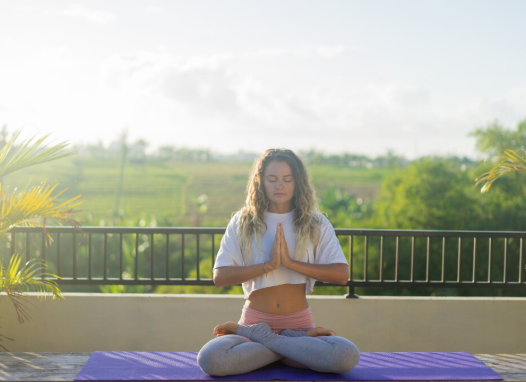
Preparation can make the experience more comfortable and productive.
Set Realistic Expectations
A retreat is not a quick solution to every emotional or psychological challenge. Instead, view it as an opportunity to rest, learn, reflect, and practice new skills.
Pack Essential Items
Depending on the location and schedule, useful items may include:
- Comfortable clothing
- Personal toiletries
- A journal and pen
- Comfortable walking shoes
- Necessary medication
- A reusable water bottle
- Meditation accessories, if needed
Check the retreat’s packing instructions before traveling.
Inform the Retreat Staff About Your Needs
Share relevant information about dietary preferences, accessibility needs, medical concerns, or treatment requirements.
If the retreat provides clinical services, ask how personal information is handled and whether confidentiality is maintained.
Plan for Life After the Retreat
Think about how you will maintain healthy routines after returning home. You may want to continue meditation, regular exercise, journaling, counseling, or other activities introduced during the program.
A simple follow-up plan can help make the retreat experience more useful over time.
Mental Health Retreats in India
India offers a range of wellness experiences, including yoga retreats, meditation centers, nature-based programs, and professional mental health treatment facilities.
Popular destinations for wellness retreats include Rishikesh, Kerala, Goa, Dharamshala, and parts of the Himalayan region. These places may offer meditation, yoga, relaxation, and holistic wellness programs.
However, not every wellness retreat in India provides clinical mental health treatment. If you are looking for professional psychological support, confirm the credentials of the practitioners and the scope of care provided.
When evaluating a retreat in India, consider:
- Whether the staff are appropriately qualified
- Whether counseling or psychotherapy is offered
- Whether medical care is available when necessary
- Whether the retreat has clear emergency procedures
- Whether the program is suitable for your needs
- Whether pricing and services are transparent
For people who need mental health support but cannot travel, India’s Tele-MANAS service offers free, confidential, round-the-clock mental health counseling and support through the helpline 14416.
Frequently Asked Questions About Mental Health Retreats
What is the main purpose of a mental health retreat?
The main purpose of a mental health retreat is to provide time and space for people to focus on their emotional and psychological well-being. Depending on the program, it may include meditation, relaxation, counseling, stress management, healthy lifestyle activities, or structured therapeutic care.
How long does a mental health retreat usually last?
Mental health retreats can last from a weekend to several weeks. Short retreats often focus on relaxation, mindfulness, and stress management, while longer programs may offer more structured therapeutic support. The appropriate duration depends on the individual’s goals and the retreat’s services.
Can a mental health retreat help with anxiety and stress?
A retreat may help some individuals manage anxiety and stress by introducing relaxation techniques, mindfulness, and healthy coping strategies. However, results vary. People experiencing persistent or severe anxiety should consider professional mental health treatment rather than relying solely on a retreat.
Are mental health retreats suitable for everyone?
No. Some people may benefit from a retreat, while others may need ongoing therapy, psychiatric care, or a higher level of support. Individuals with significant mental health concerns should consult a qualified healthcare professional before choosing a retreat.
Are mental health retreats worth the cost?
A mental health retreat may be worthwhile if its activities, professional support, and environment match your needs and goals. However, cost alone does not determine quality. Compare the services offered, professional qualifications, accommodation, and follow-up support before making a decision.
Conclusion
A mental health retreat can provide an opportunity to step away from everyday pressures and focus on emotional wellness, relaxation, and personal growth. Through mindfulness, meditation, yoga, counseling, and healthy routines, participants may develop useful skills for managing stress and improving self-awareness. However, retreats vary widely in their quality and level of care. Choosing a suitable program requires checking professional qualifications, understanding the treatment approach, and setting realistic expectations. A mental health retreat should complement—not automatically replace—professional healthcare. With the right program and continued support, it may become a meaningful part of a broader mental wellness journey.