






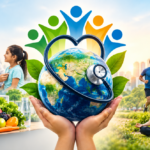



Primary health care is the first level of contact between people and the healthcare system and plays a central role in preventing illness, managing common health conditions, promoting healthy lifestyles, and connecting individuals with more specialized medical services when needed. It is designed to make essential healthcare accessible to individuals and communities throughout different stages of life. Primary care can include health education, disease prevention, routine checkups, maternal and child health services, vaccination, treatment of common illnesses, chronic disease management, and referrals. Unlike healthcare that focuses only on treating serious illness after it occurs, primary healthcare emphasizes prevention, early detection, continuity of care, and community participation. A strong primary healthcare system can help improve health outcomes while reducing unnecessary pressure on hospitals and specialist services. This guide explains the meaning, importance, components, benefits, challenges, and future of primary healthcare.
What Is Primary Health Care
Primary health care refers to essential healthcare services that are accessible to individuals and communities as part of the first level of the healthcare system.
It focuses on providing care close to where people live and work. Depending on the healthcare system and location, primary care may be provided through family doctors, general practitioners, nurses, community health workers, health centers, clinics, and other qualified professionals.
Primary healthcare is broader than treating minor illnesses. It includes prevention, health promotion, early diagnosis, treatment, rehabilitation, and support for long-term health.
It can also serve as the connection between individuals and higher levels of healthcare. When a patient requires specialist treatment or hospitalization, primary care professionals can help coordinate referrals and continuing care.
Why Primary Health Care Is Important
Primary healthcare is important because most people need healthcare services at different points throughout their lives.
A person may visit a primary healthcare provider for a routine checkup, vaccination, minor infection, blood pressure monitoring, nutritional advice, or management of a long-term condition.
Providing these services at the community level can make healthcare easier to access. It can also help identify health problems before they become more serious.
Primary care professionals can develop an understanding of a patient’s medical history over time. This continuity can support better communication and more coordinated healthcare.
Prevention and Health Promotion
Prevention is one of the major functions of primary healthcare.
Healthcare professionals can help people understand healthy eating, physical activity, sleep, hygiene, vaccination, tobacco avoidance, alcohol-related risks, and other lifestyle factors.
Preventive services can also include screening for certain health conditions when appropriate.
Early identification of health risks can provide an opportunity for timely intervention. For example, regular monitoring may identify elevated blood pressure or blood sugar before a person develops more serious complications.
Health promotion also extends beyond individual behavior. Community programs can address sanitation, nutrition, maternal health, environmental risks, and other factors affecting population health.
Treatment of Common Illnesses
Primary healthcare provides treatment for many common health concerns.
People may visit a primary care provider for respiratory infections, digestive problems, minor injuries, skin conditions, allergies, headaches, fever, and other common symptoms.
Healthcare professionals can assess symptoms, provide appropriate treatment, and determine whether further investigation is required.
When a condition requires specialist care, primary healthcare can provide an important entry point into the wider healthcare system.
This helps ensure that patients receive an appropriate level of care instead of automatically relying on emergency departments or specialist facilities for every health concern.
Management of Chronic Diseases
Long-term conditions require regular monitoring and ongoing care. Primary healthcare can play an important role in managing conditions such as diabetes, hypertension, asthma, and certain cardiovascular diseases.
Regular appointments can help healthcare professionals monitor symptoms, review treatment plans, encourage healthy lifestyle changes, and identify potential complications.
Chronic disease management is often more effective when patients have continuing access to healthcare professionals who understand their medical history.
Primary care can also help coordinate referrals to specialists when a patient’s condition requires additional expertise.
Maternal and Child Health
Primary healthcare can support mothers, infants, and children through preventive and routine services.
Depending on the healthcare system, these services can include prenatal care, postnatal support, childhood vaccination, growth monitoring, nutrition guidance, health education, and early identification of developmental concerns.
Accessible maternal and child healthcare can be particularly important in communities where specialist services are difficult to reach.
Primary care professionals can also educate parents about nutrition, hygiene, immunization, child safety, and common childhood health concerns.
Vaccination and Disease Prevention
Vaccination is an important component of preventive healthcare.
Primary healthcare facilities and community health programs can provide routine immunizations and help educate people about recommended vaccination schedules.
Vaccination programs can reduce the risk of various infectious diseases and contribute to community protection.
Primary care professionals can also support other forms of disease prevention, including screening, health education, infection-control practices, and early identification of communicable illnesses.
Mental Health Support
Mental health is an important part of overall health. Primary healthcare settings can provide an accessible point for people who are experiencing emotional or psychological difficulties.
Primary care professionals can identify signs that may require further attention, provide initial support, and refer patients to appropriate mental health specialists when necessary.
Integrating mental health into primary healthcare can make it easier for people to discuss concerns and receive appropriate guidance.
Mental health support may include assessment, counseling referrals, medication management when appropriate, and ongoing monitoring.
Nutrition and Healthy Lifestyle
Nutrition is closely connected with overall health. Primary healthcare professionals can provide general guidance about balanced eating, healthy weight management, hydration, physical activity, and other lifestyle factors.
Nutrition counseling can be particularly relevant for people managing chronic conditions such as diabetes, high blood pressure, or cardiovascular disease.
Healthcare advice should be individualized because nutritional requirements vary according to age, health status, activity level, and other factors.
Primary healthcare can encourage practical and sustainable lifestyle improvements rather than focusing only on short-term changes.
Community Health Services
Primary healthcare has a strong connection with community health.
Community-based healthcare programs can reach people who may face barriers to accessing hospitals or specialized facilities.
Community health workers can play an important role in health education, screening, vaccination support, maternal health programs, and connections to local healthcare services.
Community participation can also help healthcare systems understand local needs.
Factors such as geography, income, education, culture, transportation, sanitation, and availability of medical facilities can all influence health outcomes.
Rural and Remote Healthcare
Access to healthcare can be more challenging in rural and remote communities because of distance, limited transportation, shortages of healthcare professionals, and fewer specialized facilities.
Primary healthcare can help address some of these challenges by bringing essential services closer to communities.
Mobile clinics, community health centers, outreach programs, and telehealth services can complement traditional primary care.
Technology can also make it easier for primary healthcare professionals in remote locations to communicate with specialists when necessary.
Role of Healthcare Professionals
Primary healthcare involves many different professionals.
Doctors, nurses, pharmacists, community health workers, midwives, nutrition professionals, mental health professionals, and other healthcare workers may contribute to primary care.
Team-based care can allow different professionals to address different aspects of a person’s health.
Effective communication among healthcare workers can improve continuity and reduce duplication of services.
Patients can also become active participants by providing accurate medical information, following appropriate treatment plans, asking questions, and attending recommended follow-up appointments.
Primary Health Care and Technology
Technology is changing the way primary healthcare is delivered.
Electronic health records can help healthcare professionals access relevant patient information. Telemedicine can connect patients with healthcare professionals without requiring every appointment to take place in person.
Digital appointment systems, remote monitoring devices, health applications, and electronic prescriptions can also support healthcare delivery.
However, technology should complement professional medical care rather than replace appropriate physical examinations or emergency treatment.
Digital healthcare also requires attention to privacy, cybersecurity, accessibility, and the accuracy of health information.
Referral and Continuity of Care
Primary healthcare often acts as a gateway to specialist and hospital services.
When a patient’s condition requires specialized investigation or treatment, a primary care professional may refer the person to an appropriate specialist.
After specialist treatment, information can be communicated back to primary care so that ongoing management can continue.
This coordination can be especially valuable for people with complex or long-term health needs.
Continuity of care helps ensure that healthcare is viewed as an ongoing process rather than a series of disconnected appointments.
Challenges in Primary Healthcare
Primary healthcare systems can face several challenges.
Shortages of healthcare professionals can make appointments difficult to obtain. In some areas, healthcare facilities may also lack sufficient equipment, medicines, diagnostic resources, or funding.
Geographical barriers can affect rural communities, while financial and social barriers can prevent some people from seeking care.
Growing populations and increasing rates of chronic disease can place additional pressure on primary care services.
Healthcare systems may also need to address digital inequality so that people without reliable internet access or digital skills are not excluded from new healthcare services.
Improving Primary Healthcare
Improving primary healthcare requires investment in healthcare professionals, facilities, technology, medicines, training, and community programs.
Healthcare systems can strengthen access by expanding local clinics, improving referral systems, supporting community health workers, and using technology appropriately.
Preventive care should remain an important focus because preventing or detecting health problems early can reduce the need for more intensive treatment.
Patient education and participation are also essential. People who understand their health conditions and available services may be better positioned to participate in their own care.
Key Points to Remember
Primary healthcare is often the first point of contact with the healthcare system.
It includes prevention, health promotion, diagnosis, treatment, and ongoing care.
Primary care can support both acute illnesses and chronic conditions.
Maternal, child, mental, nutritional, and community health can all form part of primary healthcare.
Primary care can connect patients with specialists and hospitals when additional treatment is required.
Technology can improve access but should be used responsibly.
Strong primary healthcare can help reduce unnecessary pressure on hospitals.
Community participation and patient education are important parts of effective healthcare.
Tips for Making the Most of Primary Healthcare
Keep a record of important medical information, including previous diagnoses, medications, allergies, and relevant test results.
Attend routine appointments when recommended, especially if you have a long-term health condition.
Ask questions when you do not understand a diagnosis, treatment, medication, or follow-up instruction.
Discuss preventive services and screenings that may be appropriate for your age and health circumstances with a qualified healthcare professional.
Use reputable healthcare services and avoid relying entirely on unverified online health information.
If symptoms are severe, sudden, or potentially life-threatening, seek appropriate urgent or emergency medical care rather than waiting for a routine primary care appointment.
Final Thoughts
Primary health care provides an essential foundation for accessible and continuous healthcare. It focuses not only on treating illness but also on prevention, health education, early detection, chronic disease management, maternal and child health, mental wellbeing, and community support. A strong primary care system can help people receive appropriate healthcare closer to their communities while providing a pathway to specialists and hospitals when more advanced treatment is required. Technology, community programs, and multidisciplinary healthcare teams are creating new opportunities to improve primary care, although challenges such as workforce shortages, unequal access, and limited resources remain. By combining prevention, professional medical care, patient participation, and effective coordination, primary healthcare can contribute significantly to healthier individuals and communities.
Frequently Asked Questions
1. What is primary health care?
Primary healthcare is the first level of healthcare that provides accessible services such as prevention, health education, routine medical care, treatment of common illnesses, chronic disease management, and referrals.
2. Why is primary healthcare important?
It provides an accessible starting point for healthcare and can support prevention, early diagnosis, ongoing treatment, and coordination with specialists and hospitals.
3. What services are included in primary healthcare?
Services can include general medical consultations, vaccinations, health education, screening, maternal and child care, treatment of common illnesses, chronic disease management, and referrals.
4. What is the difference between primary care and specialist care?
Primary care generally provides first-contact and ongoing general healthcare, while specialist care focuses on particular medical conditions, body systems, or areas of medicine and usually requires more specialized expertise.
5. How can technology support primary healthcare?
Technology can support primary healthcare through electronic health records, telemedicine, digital appointments, remote monitoring, electronic prescriptions, and other tools that improve communication and access to information.