




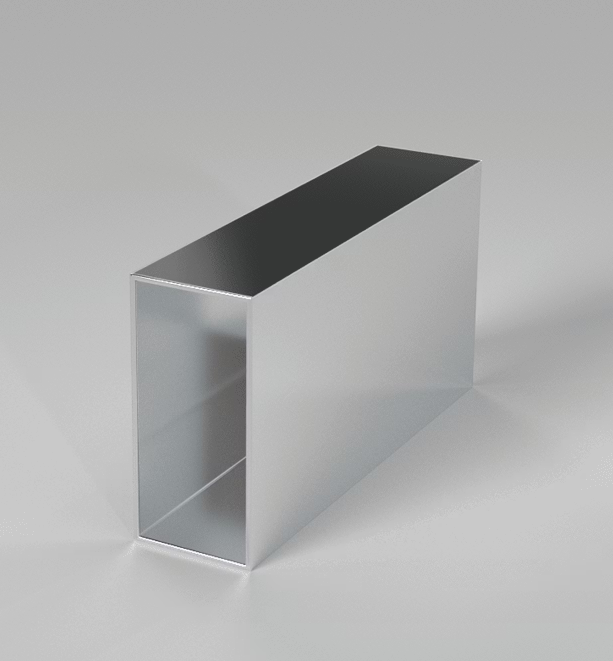
Most backyards look their best in the first year. Everything’s fresh with the timber looking rich in colour, and the cushions are plump. You proudly invite people over just to show it off. Fast forward a decade, though, and it’s a different story. The space still looks fine, but no one really uses it anymore because it has fallen into disrepair. It happens because of early choices you made, like focusing on surface finishes while overlooking the structure underneath, such as aluminium beams that would help your space age gracefully instead of becoming a headache.
Designing an outdoor area you’ll love in ten years requires you to be practical instead of just focusing on aesthetics. You need to consider how Australian weather treats outdoor spaces and what future you will and won’t tolerate.
Prioritise Structure Before Style
Most homeowners are inclined to design their outdoor areas for a once-a-year gathering in mind, not for the other 364 days. You’re probably thinking of long dining tables with fancy finishes and seating no one actually sits on.
But think about your regular week. You could be sipping your morning coffee in the sun and maybe a quiet knock-off drink on a warm arvo. Daily use like that is the real test your outdoor space has to withstand.
Spaces that age well should be shaped around daily habits and not special occasions. They must be easy to move through with chairs that naturally want to sit and shade that falls where people actually linger. If it works on a random Tuesday, it’ll still work years down the track.
Of course, you can always repaint a wall and even replace decking boards when they’ve had a rough run. What you can’t easily change is what’s underneath: the frame. Installing a good structure means that your build will have a longer lifespan.
For example, an aluminium decking frame won’t twist, sag, or crack when the weather turns nasty. Your choices decide how the space feels in year ten and not just year one.
Think About Shade Like an Australian (Not an Afterthought)
We Aussies love the sun. We also spend half our lives trying to escape it.
If shade is an afterthought to you, your outdoor area will become unusable for big chunks of the year. It would be too hot and too bright, rendering it uncomfortable to use.
Good shade planning looks boring on paper, but it is brilliant in real life. It follows the sun’s path, protects seating and walkways, and just holds up when summer storms roll through sideways.
Well-designed aluminium pergolas earn their keep here by being solid and dependable against the heat or coastal air. They don’t need much attention, and that’s kind of the dream for any homeowner.
Plan for Change: Kids, Pets, Age, and Lifestyle Changes
The reality of life is something you need to keep in mind when you’re designing your outdoor area. Your kids grow up. Your dog slows down. Your knees start creaking. A backyard built only for one phase of life tends to age badly.
Flexible spaces cope better. Think open zones that can change purpose, clear paths instead of steps everywhere, and enough room to add a chair, a heater, or a bit of screening later without ripping everything apart.
You don’t need to design for every future scenario. Just leave yourself some breathing room. You’ll thank yourself when your life changes (and it will).
Low Maintenance Is The Real Luxury
Something that hits most homeowners around year five is that they realise they’re spending more time maintaining the outdoor area than enjoying it. Scrubbing. Re-oiling. Fixing things that “shouldn’t have done that yet”. That’s when all the enthusiasm you had when you first built your outdoor space drops off a cliff.
Low maintenance means that you will spend fewer weekends lost to hard yakka. Your build can cope with heat, rain, and the occasional forgotten pot plant. It means you can go away for a bit and not come back to a list of chores to take care of.
Build It Once, Enjoy It for Years
Trends aren’t an enemy, but you should definitely not be chasing them blindly.
If you love a look, go for it. Just make sure it’s layered on top of solid planning. When tastes change (and they will), you can update finishes without touching the foundations.
That’s how your outdoor space can stay relevant and trendy.
Conclusion
A backyard that still feels good after ten years shouldn’t be planned in a rush. Pause and ask a few hard questions. Spent a bit more time on planning than scrolling through inspiration photos.
In the future, you won’t remember the colour choices as much as the afternoons spent out there. The conversations. The calm. The fact that it still works.
That’s a pretty good outcome.