









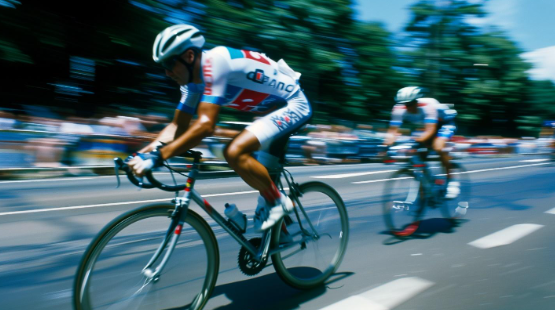
The Tour de France has a way of pulling people in, even if they’ve never experienced cycling in their lives. Maybe it is because of its stages, three weeks, thousands of miles, brutal climbs, and riders who live on the edge of exhaustion. But the real magic comes from the stories behind it all.
When you look at Tour de France history, you’re looking at more than a sporting event. This race wasn’t this big when it started. It began as a clever idea to sell newspapers and grew into the most prestigious cycling event on the planet. In this article, we will delve into the Tour de France history and how it has become a significant event.
How the Tour de France Started
The Tour de France started in 1903 as a brilliant marketing stunt by the newspaper L’Auto to boost sales, creating a difficult, multi-stage cycling race around France that became an instant hit. It showcases endurance, national pride, and fosters fierce regional rivalries. Eventually, Tour de France history evolved from a newspaper circulation tactic into the world’s most prestigious cycling event and a major cultural spectacle.
Stages of the Race
Flat Stages: Ideal for sprinters, usually ending in bunch sprints with high speeds.
Hilly Stages: Rolling terrain that challenges all-rounders and can create unpredictable breaks.
Mountain Stages: The most demanding, featuring climbs in the Alps and Pyrenees, with summit finishes crucial for overall contenders.
Time Trials: Riders race solo or as teams against the clock, using specialized bikes.
Specialties of Racers
In the Tour de France, the riders have specialized roles, which are:
General Classification Riders: Aim for the overall win (Yellow Jersey), needing to be strong climbers and time trialists to minimize losses on all terrains.
Sprinters: Excel on flat stages with powerful, short bursts of speed for stage wins.
Climbers: Lightweight riders with a high power-to-weight ratio, dominating mountain stages and high-altitude finishes.
Time Trialists: Powerful solo riders, often bigger, built for sustained high speeds in individual time trials.
Punchers: Mid-weight riders capable of accelerations on short, steep climbs or rolling hills.
Domestiques: Support riders who sacrifice their chances to help leaders by drafting, fetching supplies, and chasing breaks.
The Modern Tour de France
The modern Tour de France combines historical prestige with cutting-edge tactics and incredible athletic feats, making it a global spectacle. The riders on the same team help each other to get the best time. The more they are engaged with each other, the more chances of their win. Riders race for teams, using domestiques for pacing, shelter, and support, making it a complex race.
The race often starts outside France with a ceremonial “Grand Départ”. The rider with the lowest total time after all 21 days wins the Yellow Jersey. The race ends in Paris, with the final stage usually a ceremonial ride and sprint finish on the Champs-Élysées.
Riders That Make History
There are four cyclists who, in addition to having won the Tour de France, hold the record for victories in the competition with five wins each:
- Jacques Anquetil (1957, 1961, 1962, 1963, and 1964).
- Eddy Merckx (1969, 1970, 1971, 1972, and 1974).
- Bernard Hinault (1978, 1979, 1981, 1982, and 1985).
- Miguel Induráin (1991, 1992, 1993, 1994, 1995).


