

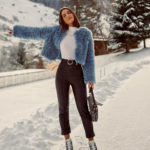

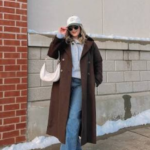
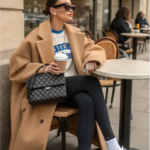
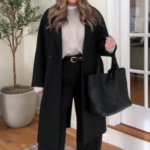



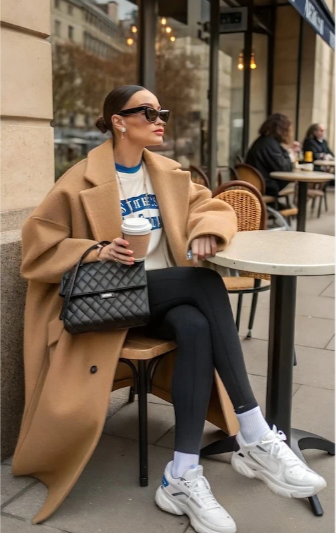
Finding practical and fashionable winter dressing ideas for women can make cold-weather mornings much easier. Winter clothing needs to provide warmth and protection, but that does not mean outfits have to look repetitive or bulky. Sweaters, coats, trousers, dresses, boots, scarves, and other seasonal pieces can be combined in many different ways to create comfortable and polished looks. The right approach depends on the weather, lifestyle, occasion, and personal style. From simple everyday combinations to professional outfits and elegant evening looks, a thoughtful winter wardrobe can provide plenty of variety. With effective layering, coordinated colors, suitable fabrics, and well-chosen accessories, women can stay comfortable while creating attractive outfits throughout the colder months.
Understanding Winter Dressing
Winter dressing is primarily about managing temperature while maintaining comfort and style. Unlike warmer seasons, cold-weather outfits often require several layers, which makes choosing complementary pieces especially important.
A typical winter outfit may include a base layer, sweater or cardigan, trousers or a skirt, an outer coat, and appropriate footwear. Accessories such as scarves, gloves, and hats can provide additional warmth.
The amount of clothing required depends on the climate. Mild winter weather may require only a sweater and light jacket, while freezing temperatures call for thermal layers, insulated coats, and protective footwear.
Lifestyle also matters. Someone who commutes outdoors needs different clothing from someone who spends most of the day inside a heated office. Understanding these differences helps create a wardrobe that is both practical and versatile.
Build a Strong Winter Wardrobe
A useful winter wardrobe begins with reliable basics. A quality coat should be one of the first priorities because it is often the main protection against cold weather.
A selection of sweaters in different weights can provide flexibility. Fine-knit sweaters are useful for layering, while thicker knits can be worn as primary outer layers in milder conditions.
Trousers such as jeans, tailored pants, corduroy, and wool-blend styles provide several options for everyday outfits. Skirts and dresses can also remain part of a winter wardrobe when combined with tights and suitable boots.
Footwear should include at least one comfortable pair of winter-appropriate boots. Accessories such as scarves, gloves, and hats can complete the wardrobe while providing practical warmth.
Layering Ideas for Women
Layering is one of the most effective ways to stay warm without relying on extremely heavy clothing. A thin base layer can be worn underneath a sweater or shirt, while a coat provides protection from outdoor conditions.
A fitted turtleneck underneath a blazer and wool coat can create a polished work outfit. For casual dressing, a long-sleeve shirt under a sweater and puffer jacket can provide a relaxed appearance.
Layering can also create visual interest. Different lengths and textures can make an outfit more dynamic. For example, a longer shirt underneath a shorter sweater can create subtle contrast.
Avoid adding too many thick layers. Lightweight materials often work better because they provide warmth while maintaining movement and reducing bulk.
Casual Winter Outfit Ideas
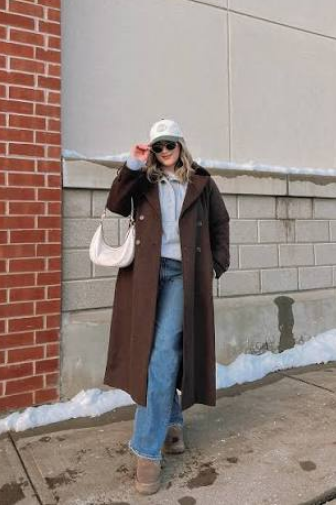
Everyday winter outfits should prioritize comfort while still looking intentional. A warm sweater, straight-leg jeans, ankle boots, and a long coat provide a simple combination that works for shopping, coffee outings, and casual meetings.
For a relaxed weekend appearance, leggings or wide-leg trousers can be paired with an oversized sweater and padded jacket. A scarf and structured handbag can make the outfit look more polished.
Dark denim is particularly versatile during winter because it can be styled casually or dressed up with a blazer and boots.
Monochromatic outfits can also simplify everyday dressing. Wearing several shades of black, gray, beige, cream, or brown creates a coordinated appearance without requiring complicated combinations.
Winter Workwear Ideas
Professional winter clothing can combine warmth with structure. Tailored trousers, turtlenecks, knit dresses, blazers, and wool coats are particularly versatile.
A fitted turtleneck with tailored trousers and ankle boots creates a simple office-ready combination. Adding a structured coat provides a polished outer layer for commuting.
A midi skirt can be worn with a fitted sweater, tights, and knee-high boots. This combination offers coverage while maintaining a professional appearance.
For a more traditional office style, a blouse can be layered underneath a blazer and wool coat. Neutral shades make it easier to mix and match different pieces throughout the workweek.
Winter Dresses and Skirts
Dresses and skirts can still be practical during winter. The key is combining them with appropriate layers and footwear.
A sweater dress provides warmth and can be styled with knee-high boots and a long coat. Midi dresses are particularly useful because they provide more coverage than shorter styles.
Tights can add insulation when wearing skirts or dresses. Thicker tights are useful for colder temperatures, while lighter options may be sufficient in milder conditions.
Long skirts can also create elegant winter outfits. Pairing one with a fitted sweater, belt, and ankle boots can create a balanced silhouette.
For evening occasions, velvet or heavier fabrics can provide a more seasonal appearance while offering greater coverage.
Winter Outfit Ideas With Coats
Coats are often the most visible part of a winter outfit, so choosing the right style can significantly influence the overall appearance.
A long wool coat can make a simple jeans-and-sweater combination look more refined. A belted coat can add structure, while an oversized coat creates a relaxed contemporary silhouette.
Puffer jackets are useful for colder conditions because they provide significant insulation. They can be styled with streamlined trousers or leggings to balance their volume.
Parkas are practical for windy or wet weather and can be paired with casual winter clothing. Short jackets provide greater freedom of movement and can work well for active lifestyles.
Choose outerwear according to both climate and daily activities rather than appearance alone.
Winter Footwear Ideas
Footwear should provide warmth, comfort, and adequate protection from the ground. Ankle boots are among the most versatile options and work with jeans, trousers, skirts, and dresses.
Knee-high boots can add warmth and create a polished appearance with midi dresses and skirts. For snowy or wet conditions, insulated waterproof boots may be more practical.
Sneakers can work during mild winter weather, particularly for casual outfits, but they may not provide sufficient protection in harsh conditions.
Warm socks should also be part of the winter wardrobe. Wool and thermal styles can help keep feet comfortable during long periods outdoors.
Winter Accessories for Women
Accessories provide an easy way to improve both warmth and style. Scarves protect the neck while adding color and texture to an outfit.
Gloves are essential when temperatures are low. Depending on the occasion, women can choose knitted gloves for casual outfits or more polished styles for professional and formal clothing.
Beanies, wool hats, and other headwear can provide additional warmth. A hat can also become an important part of the overall outfit.
Belts can define the waist when worn over coats, cardigans, or dresses. Handbags, jewelry, and sunglasses can add finishing touches to everyday outfits.
The most useful accessories are those that work with multiple clothing combinations.
Winter Colors and Textures
Winter clothing provides plenty of opportunities to experiment with rich colors and textures. Neutral colors such as black, gray, cream, camel, beige, navy, and brown create a versatile foundation.
Seasonal shades such as burgundy, forest green, plum, rust, and deep blue can add personality.
Texture can be just as important as color. Combining wool, knitwear, corduroy, suede, leather, velvet, and fleece can make a simple outfit more visually interesting.
Monochromatic dressing is another effective option. Different shades of one color can create a sophisticated and cohesive appearance.
Winter Dressing for Travel
Travel outfits should prioritize comfort, flexibility, and easy layering. A soft sweater, comfortable trousers, supportive boots, and a warm coat can work well for long journeys.
A scarf can be particularly useful because it provides warmth and can easily be removed when temperatures rise indoors.
Neutral clothing makes travel packing easier because individual pieces can be combined in multiple ways. A small selection of coordinated garments can create several different outfits.
For cold destinations, travelers should prioritize thermal layers, insulated outerwear, warm socks, gloves, and weather-resistant footwear.
Winter Dressing for Special Occasions
Special events require a balance between elegance and warmth. A velvet dress, tailored jumpsuit, sophisticated trousers, or long-sleeve midi dress can work well for winter celebrations.
A quality coat or elegant wrap can provide warmth when traveling outside. Boots can also be more practical than open shoes during cold weather.
Accessories can introduce festive details. Statement earrings, metallic handbags, belts, scarves, and refined jewelry can elevate a relatively simple outfit.
Always consider the dress code before choosing the outfit. A casual gathering and formal evening event will require different levels of styling.
Key Points to Remember
Good winter dressing combines warmth, comfort, practicality, and personal style. Layering allows clothing to adapt to changing temperatures, while suitable fabrics can provide insulation without unnecessary bulk.
A quality coat, versatile sweaters, practical trousers, comfortable boots, and useful accessories form a strong foundation for many outfits.
Colors and textures can prevent winter wardrobes from becoming repetitive. Neutral basics provide flexibility, while seasonal shades and textured materials add character.
Most importantly, clothing should be appropriate for the actual weather. Warmth and safety should remain priorities when spending extended periods outdoors.
Tips for Creating Better Winter Looks
Start with versatile basics and build outfits around them. A neutral sweater, quality trousers, and a reliable coat can create numerous combinations.
Pay attention to proportions. Pair oversized sweaters with more streamlined bottoms, or combine wide-leg trousers with fitted tops to maintain balance.
Use accessories to introduce variety. Changing a scarf, handbag, belt, or pair of boots can make the same basic clothing combination feel different.
Plan outfits according to the activity. A long outdoor walk requires different clothing from an office meeting or indoor dinner.
Choose quality where it matters most. A well-made coat and comfortable boots can have a greater impact on a winter wardrobe than owning many inexpensive seasonal pieces.
Final Thoughts
Exploring different winter dressing ideas for women makes it possible to create a wardrobe that is both stylish and practical. Sweaters, coats, trousers, dresses, boots, and accessories can be layered and combined for casual days, professional settings, travel, and special occasions. The most effective approach is to choose versatile pieces, coordinate colors and textures, and dress according to the weather and activity. With thoughtful planning, women can stay warm without relying on repetitive or bulky outfits. A balanced winter wardrobe provides enough flexibility to handle changing temperatures while allowing personal style to remain an important part of everyday dressing.
Frequently Asked Questions
1. What are the essential winter clothes for women?
Essential pieces include a warm coat, sweaters, layering tops, trousers, winter-appropriate boots, and accessories such as scarves, gloves, and hats. The exact selection depends on the local climate.
2. How can women dress warmly without looking bulky?
Use lightweight thermal layers underneath sweaters and coats. Combining fitted and relaxed pieces can create warmth while maintaining a balanced silhouette.
3. Can dresses be worn during winter?
Yes. Sweater dresses, long-sleeve dresses, and heavier fabrics can be combined with tights, boots, and warm coats for practical winter looks.
4. What colors are best for winter outfits?
Neutral colors such as black, cream, gray, camel, brown, and navy are highly versatile. Burgundy, forest green, plum, and deep blue can add seasonal color.
5. What is the best way to layer clothes in winter?
Start with a lightweight base layer, add an insulating middle layer such as a sweater, and finish with a protective coat or jacket. Adjust the number and thickness of layers according to the temperature.
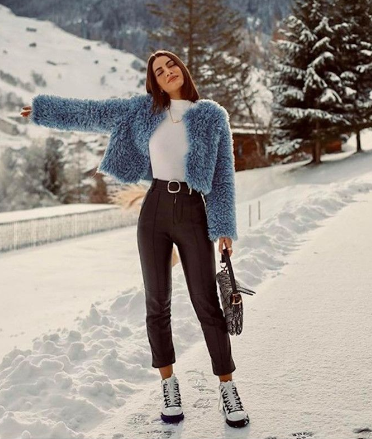
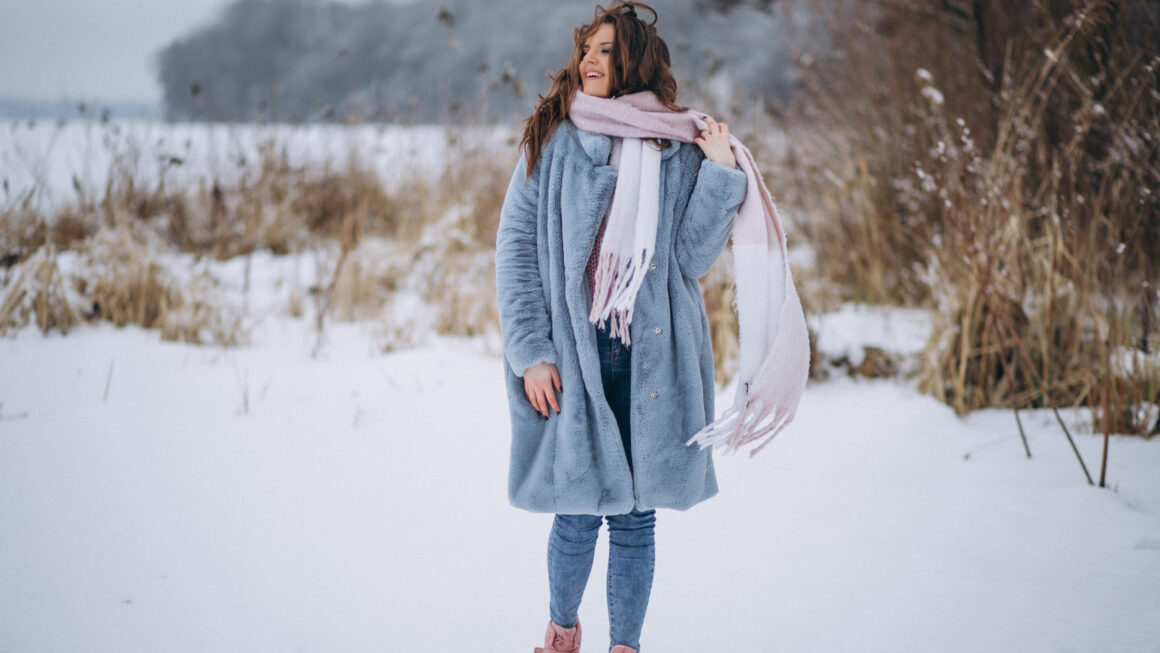
One thought on “Winter Dressing Ideas for Women: Stylish and Practical Looks for Cold Weather”