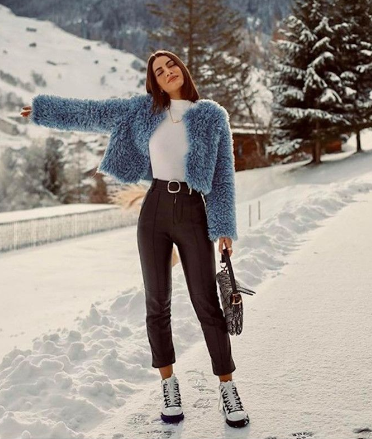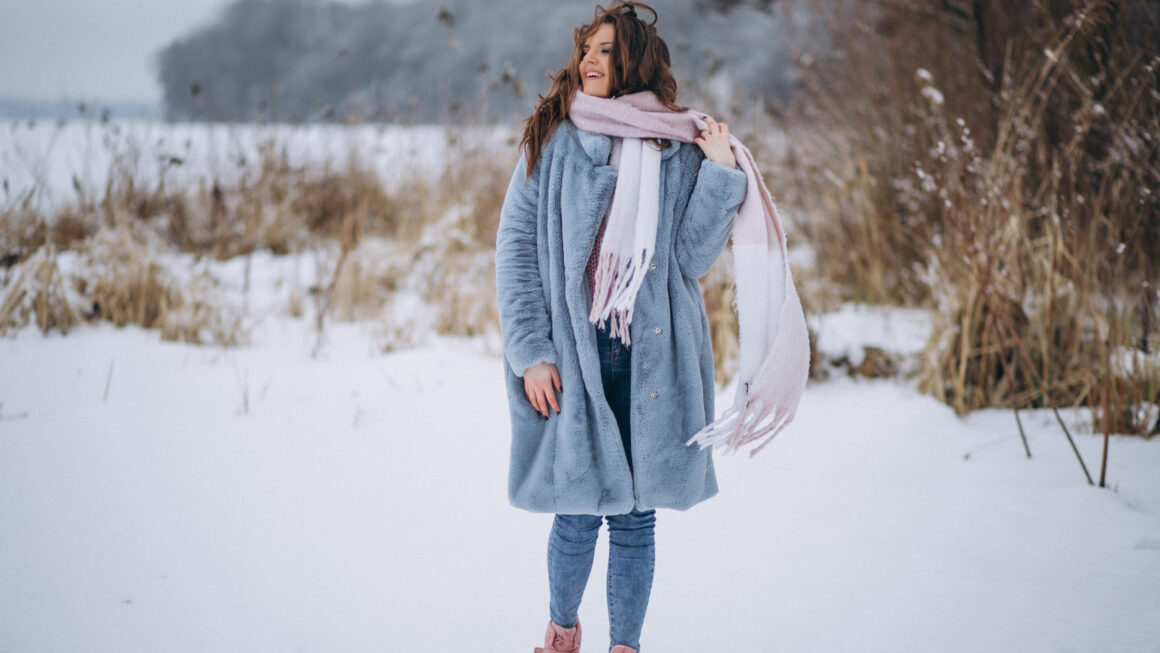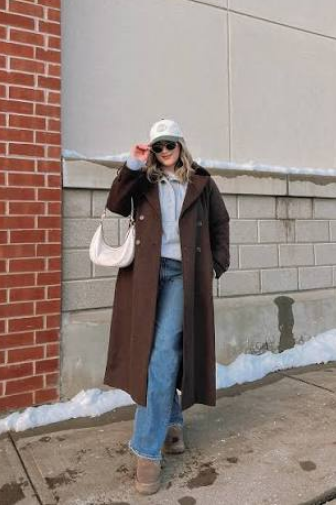







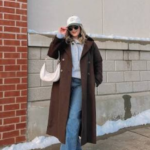
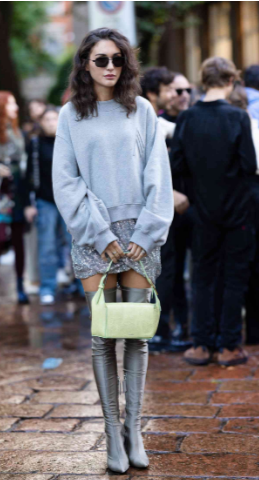
Finding ways to dress up winter clothes can make cold-weather dressing much more enjoyable while keeping outfits warm and practical. Winter wardrobes often contain comfortable basics such as sweaters, coats, trousers, boots, and knitwear, but these pieces can also be styled for dinners, parties, celebrations, work events, and other occasions. The key is to combine practical winter layers with refined fabrics, flattering silhouettes, polished accessories, and coordinated colors. A simple sweater can look sophisticated when paired with tailored trousers and a structured coat, while a winter dress can become more elegant with boots, jewelry, and a refined outer layer. With thoughtful styling, everyday winter pieces can easily become attractive outfits for special occasions.
What Does Dressing Up for Winter Mean?
Dressing up during winter means creating an outfit that looks more polished or formal while still providing protection from cold temperatures. Unlike summer dressing, winter styling often involves several layers, so maintaining balance is especially important.
A dressy winter outfit might include a tailored coat, sophisticated sweater, elegant trousers, a dress, boots, and carefully selected accessories. The exact combination depends on the occasion and weather.
Fabric plays an important role. Wool, velvet, cashmere-style knits, suede, leather, satin, and other textured materials can make an outfit appear more refined. Rich winter colors such as burgundy, navy, emerald, charcoal, cream, and chocolate brown can also create a sophisticated seasonal appearance.
The goal is not necessarily to wear formal clothing from head to toe. Instead, casual pieces can be combined with one or two polished elements to create a more elevated appearance.
Essential Pieces for Dressing Up Winter Clothing
A quality winter coat is one of the easiest ways to make an outfit look more sophisticated. A long wool coat or tailored overcoat can instantly elevate jeans, trousers, dresses, and knitwear.
A refined sweater is another useful piece. Fine-knit turtlenecks, fitted pullovers, and elegant cardigans can be paired with tailored bottoms or layered underneath blazers.
Trousers are also highly versatile. Wide-leg trousers can create a dramatic silhouette, while straight-leg or tailored pants offer a more traditional polished appearance.
Winter dresses are equally useful. Sweater dresses, velvet midi dresses, long-sleeve dresses, and knit dresses can all become dressier with the right accessories and footwear.
Finally, boots can provide both warmth and sophistication. Sleek ankle boots and knee-high styles work well with many winter outfits.
Layering for a Dressy Winter Look
Layering is essential during cold weather, but it should be done thoughtfully when creating a dressier outfit. Too many bulky layers can hide the shape of the clothing and make the overall appearance feel heavy.
Start with a lightweight base layer. A fitted thermal top can provide warmth underneath a sweater, blouse, or dress without being visible.
The middle layer should provide insulation and contribute to the overall style. Fine-knit sweaters, fitted cardigans, and tailored blazers can work well.
The outer layer should protect against the weather while complementing the outfit. A structured coat, wool overcoat, or elegant insulated jacket can complete the look.
Choosing layers with different textures can also make the outfit more interesting. For example, a smooth blouse under a textured sweater and a structured coat can create subtle visual contrast.
Dressing Up Winter Sweaters
Sweaters are usually associated with casual clothing, but they can easily become part of a dressier outfit. The key is choosing the right style and pairing it with polished pieces.
A fine-knit turtleneck can be worn with tailored trousers and heeled ankle boots. Adding a long coat and simple jewelry can create an elegant appearance.
A fitted sweater can also be tucked into a midi skirt. Knee-high boots and a structured handbag can make the combination suitable for dinners or social occasions.
Chunky sweaters can work as well, particularly when balanced with sleek trousers or a fitted skirt. A belt can define the waist and create more structure.
Neutral sweaters are particularly versatile because they can be paired with bold accessories or richer seasonal colors.
Dressing Up Jeans for Winter
Jeans can become surprisingly sophisticated when paired with the right pieces. Dark denim generally creates a more polished appearance than heavily distressed styles.
Pair dark jeans with a fine-knit sweater, blazer, and ankle boots for a smart casual look. A tailored wool coat can provide the finishing layer.
For an evening event, jeans can be combined with a satin-style blouse, statement jewelry, and sleek boots. This approach works well for occasions that are stylish but not strictly formal.
The fit of the jeans also matters. Straight-leg, slim, or well-structured wide-leg styles can create a cleaner appearance than overly loose or distressed options.
Winter Dresses for Dressy Occasions
Dresses are one of the easiest options for creating a polished winter outfit. Midi dresses are particularly versatile because they provide additional coverage while maintaining an elegant silhouette.
A velvet dress can work beautifully for holiday parties and evening gatherings. A sweater dress can provide greater comfort for casual dinners or daytime celebrations.
Long-sleeve dresses can reduce the need for additional layers indoors. For colder conditions, tights and boots can provide extra warmth.
A structured coat can be worn over the dress when traveling outdoors. Choose a coat that complements the dress rather than hiding its overall silhouette.
Choosing Dressy Winter Footwear
Footwear can make a major difference when transforming an ordinary winter outfit into a dressier look. Ankle boots are among the most versatile choices because they work with trousers, jeans, dresses, and skirts.
Knee-high boots can add sophistication while providing more warmth. They pair particularly well with midi dresses, skirts, and fitted trousers.
For formal events, sleek pointed boots or refined closed-toe shoes can create a more elegant appearance. However, footwear should always be suitable for the weather.
If snow, ice, or heavy rain is expected, choose shoes with adequate traction and weather protection. A stylish outfit is not practical if the footwear makes walking unsafe or uncomfortable.
Using Accessories to Elevate Winter Clothing
Accessories are one of the simplest ways to make winter clothing look more polished. A structured handbag can immediately create a more refined appearance.
Jewelry can also change the mood of an outfit. Delicate pieces work well for understated looks, while statement earrings or a bold necklace can add drama to simple clothing.
Scarves are useful for both warmth and style. A soft wool scarf in a complementary color can add texture to a neutral coat.
Belts can provide structure to oversized sweaters, dresses, and coats. A belt around the waist can create a more defined silhouette.
Gloves and hats can also become part of the overall styling. Leather-style gloves or a simple structured hat may look more polished than very casual alternatives.
Winter Color Combinations
Color coordination can make an outfit look more intentional. Neutral shades such as black, cream, gray, camel, navy, and brown are easy to combine.
Rich winter colors can provide contrast. Burgundy, dark green, plum, rust, and deep blue can make simple outfits feel more seasonal.
Monochromatic outfits are another effective option. Wearing several shades of the same color can create a sophisticated appearance without requiring complicated styling.
For example, different shades of cream and beige can create a soft winter look, while charcoal and black can produce a more modern appearance.
Accessories can introduce a contrasting color without changing the main clothing pieces.
Dressy Winter Outfits for Different Occasions
Different occasions require different levels of formality. For a casual dinner, dark jeans, a fine-knit sweater, boots, and a tailored coat may be enough.
For an office celebration, tailored trousers, a fitted top, blazer, and polished boots can create a professional but festive appearance.
For a holiday party, velvet, satin, metallic accents, or subtle sparkle can add a more celebratory feel.
For a formal dinner or wedding, an elegant dress or tailored suit with refined footwear and outerwear may be more appropriate.
The weather should always be considered when choosing the final combination. Indoor events may be warm, while traveling to and from the venue may require substantial outerwear.
Dressing Up Winter Clothes for Work
Professional winter outfits can be stylish without becoming overly formal. Tailored trousers with a turtleneck and blazer create a simple foundation.
A midi skirt can be paired with a fine-knit sweater and knee-high boots. A structured coat can complete the look for commuting.
Neutral colors are particularly useful in professional settings because they can be combined easily. Adding a seasonal accessory can introduce personality while maintaining a polished appearance.
Comfort is also important. Clothing should allow movement and remain comfortable throughout a full workday.
Key Points to Remember
Dressing up winter clothing does not require replacing an entire wardrobe. Existing sweaters, jeans, trousers, dresses, and coats can often be transformed with better combinations and carefully selected accessories.
Focus on structure, fit, texture, and color. A tailored coat, polished boots, refined handbag, or statement accessory can make a significant difference.
Layering should provide warmth without creating excessive bulk. Lightweight base layers are useful when temperatures are particularly low.
Always consider the occasion and weather. A formal outfit may need practical outerwear and footwear when worn outside.
Tips for Creating More Elegant Winter Outfits
Start with one basic piece and build around it. A simple sweater can become the foundation for an outfit with tailored trousers, boots, jewelry, and a structured coat.
Mix casual and dressy pieces rather than making everything formal. For example, dark jeans can work with a sophisticated blouse and tailored coat.
Use texture to add interest. Combining knitwear, wool, leather, suede, or velvet can make a simple color palette more visually appealing.
Pay attention to fit. Even inexpensive clothing can appear more polished when it fits properly and maintains a clean silhouette.
Keep accessories coordinated. Too many competing details can make an outfit feel cluttered, so choose a few pieces that complement each other.
Final Thoughts
Learning how to dress up winter clothes makes it easier to create stylish outfits without constantly buying new clothing. Sweaters, jeans, trousers, dresses, coats, and boots can all be transformed through thoughtful layering, refined accessories, coordinated colors, and suitable footwear. The most successful winter outfits balance elegance with practical warmth, allowing you to feel comfortable while looking polished. Whether you are preparing for a dinner, office celebration, holiday gathering, date night, or formal event, a few versatile styling techniques can turn everyday winter pieces into sophisticated seasonal looks.
Frequently Asked Questions
1. How can I make casual winter clothes look dressier?
Combine casual pieces with structured items such as tailored coats, blazers, polished boots, refined handbags, or elegant jewelry. Coordinated colors and good-fitting clothing can also create a more polished appearance.
2. Can jeans be worn for a dressy winter occasion?
Yes, for smart casual occasions. Dark, well-fitting jeans can be paired with a sophisticated blouse, fine-knit sweater, blazer, tailored coat, and polished boots.
3. What winter accessories make an outfit look more elegant?
Structured handbags, simple jewelry, leather-style gloves, quality scarves, belts, and polished boots can elevate a winter outfit without adding excessive detail.
4. What should I wear to a dressy winter dinner?
A midi dress, tailored trousers with an elegant top, or a refined sweater with a skirt can work well. Add a structured coat, boots, and coordinated accessories.
5. How can I stay warm while dressing up?
Use thin thermal layers underneath your main clothing, choose warm fabrics such as wool and fine knitwear, and add a quality coat when outdoors. Appropriate boots and accessories can provide additional protection.